
Knox County Kentucky Obituary Records
Knox County is in southeast Kentucky. Barbourville serves as the county seat. About 29,000 people live here. The county formed in 1799. It borders Tennessee to the south. The Appalachian Mountains shape the terrain. Local families have deep roots. Many trace ancestry back generations. Daniel Boone passed through here. Early settlement was challenging. Mountain life created strong communities. Obituary records preserve this heritage. They document lives lived here. Researchers find valuable information.
Knox County Quick Facts
Knox County Clerk Obituary Records
The Knox County Clerk holds official records. Documents date to the county's founding. Early records may have gaps. Most archives survived intact. The clerk maintains vital records. Death certificates are available. Marriage licenses are filed here. Land records date to 1799.
Researchers visit the Barbourville office. Staff assist with record searches. Bring specific names and dates. This helps narrow results. Early records may be sparse. Later files are more detailed. The office works to preserve materials. Microfilm protects fragile documents.
Marriage records complement obituary research. Knox County marriages begin in 1799. Bonds and licenses survive. These name family members. Security providers show connections. Witnesses reveal social circles. All help build family trees. The clerk's office provides access.
| Office | Knox County Clerk |
|---|---|
| Website | knoxcountyky.gov/county-clerk |
Knox County Public Library Genealogy Resources
The Knox County Public Library supports researchers. Local history collections are extensive. Genealogy resources attract visitors. Staff help with research needs. The library provides a welcoming environment. Research assistance is available. Hours accommodate most visitors.
Newspaper archives cover decades. The Barbourville Mountain Advocate served the area. Earlier papers also existed. Microfilm preserves these issues. Reader equipment is provided. Copies can be made. Research is efficient here.
Family files are organized by surname. Obituaries are clipped regularly. Photographs are preserved carefully. Family histories are collected. Donations expand the collection. Researchers can browse materials. New contributions are welcome.
| Library | Knox County Public Library |
|---|---|
| Website | knoxcountylibrary.org |
Knox County Obituary History
Southeast Kentucky has a unique heritage. Knox County exemplifies mountain life. Early settlers arrived late. The terrain was difficult. Daniel Boone explored here. He blazed trails through the wilderness. Settlers followed slowly. Communities formed in valleys.
The Civil War divided the county. Barbourville saw military action. Union and Confederate forces clashed. Local men joined both sides. Guerrilla warfare was common. Deaths from conflict appeared. Obituaries honored the fallen. Veterans were remembered later.
Newspapers documented community life. Local editors knew everyone. Obituaries were detailed. They told life stories. They listed extended families. Church memberships were noted. Military service was honored. Community roles were mentioned.
Online Resources for Knox County Obituaries
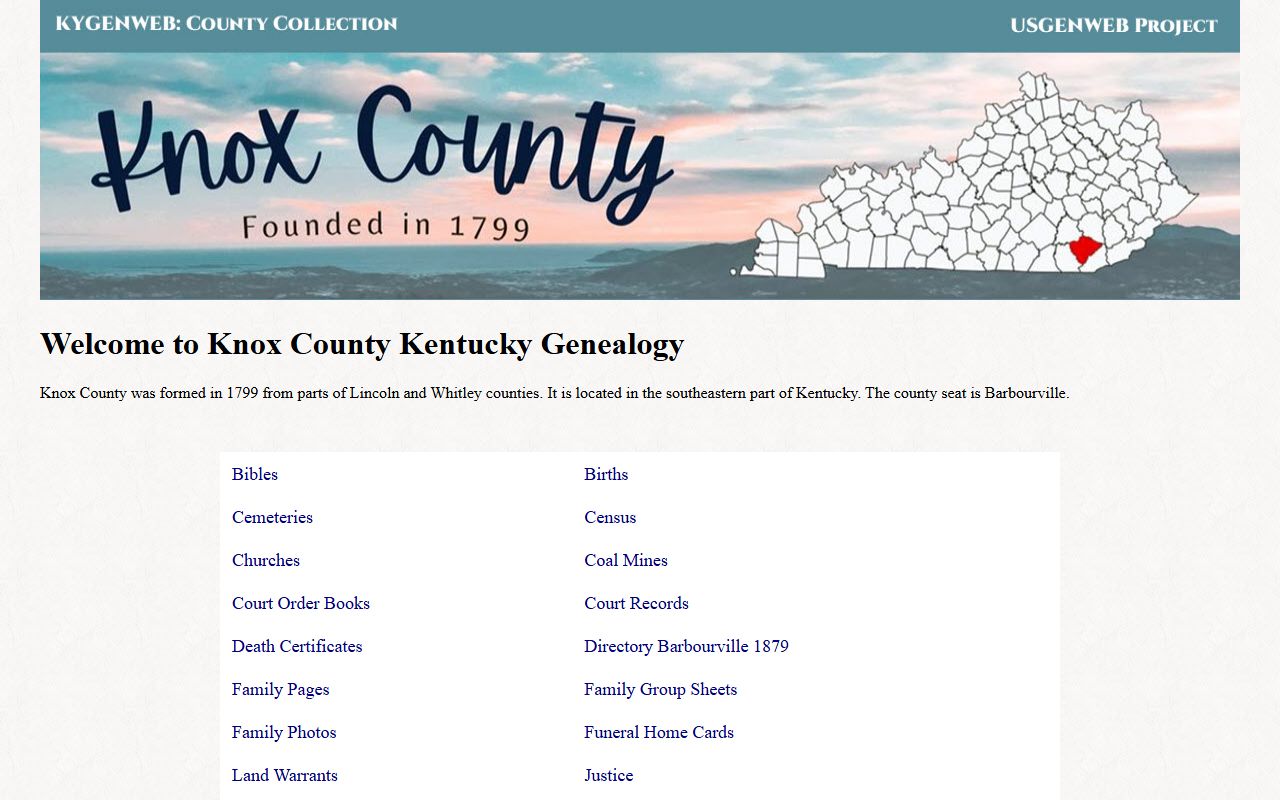
Digital archives expand research access. Knox County has online resources. KYGenWeb hosts a county page. Volunteers maintain this site. Transcribed obituaries appear here. Cemetery readings are posted. Family histories are shared. All are free to use.
The Kentucky Department for Libraries and Archives offers databases. Death certificates are searchable. Records from 1911 to 1965 exist. Knox County is included. Searching is free. Copies can be ordered. Instructions are on the website.
FamilySearch provides additional resources. Create a free account first. Search the catalog for Knox. Various records are listed. Some are digitized online. Others require microfilm orders. Wills and deeds are included. These help with family research.
Finding Knox County Obituary Records
Effective research requires planning. Start with known facts. Gather names and dates. Identify locations if possible. Knox County records are organized. Staff can help searches. Ask for assistance. They know the collections.
Newspapers are essential sources. Check all available papers. Weeklies published less often. Obituaries might be delayed. Look across several issues. Death dates guide searches. Allow for publication time. Results vary by paper.
Cemetery records confirm information. Barbourville has historic cemeteries. Family plots are common. The library has cemetery books. Inscriptions are recorded. Some are photographed. Find a Grave lists entries. Online photos are helpful.
Funeral home records add details. Barbourville mortuaries served the area. Some maintain archives. Contact them for information. Older records are accessible. Recent files have restrictions. Privacy laws apply. Be ready to prove relationship.
Related Record Types in Knox County
Obituaries connect to other documents. Probate records show estates. Wills name heirs clearly. Knox County will books exist. They date to 1799. Inventories list property. This shows family wealth. Administrators handled cases. Their bonds are on file.
Land records track ownership. Knox County deed books survive. Mountain land was important. Families kept property long-term. Heirs inherited land. Deeds name all parties. Relationships become clear. Property divisions show inheritance.
Court records add context. Civil cases named litigants. Criminal cases identified defendants. Jurors were county residents. Knox County court minutes exist. They document community life. Neighbors appear in various roles. This builds family context.
Nearby Counties with Obituary Records
Knox County borders several counties. Families often moved between them. Check adjacent counties too. Records may be nearby. Mountain valleys limited travel. Communities were isolated. Families stayed in the area.